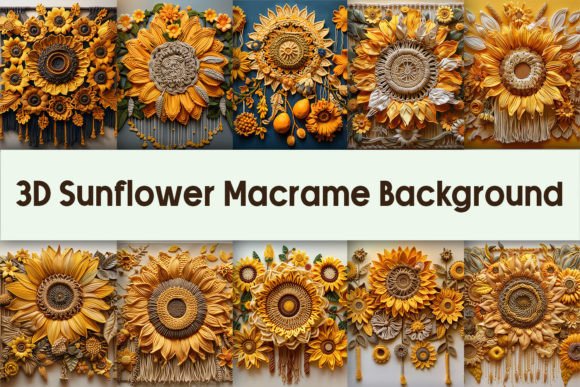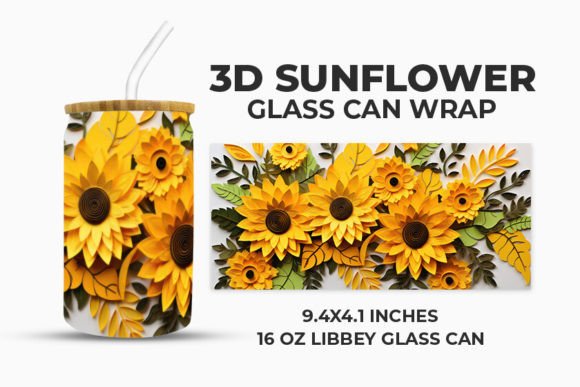
Elevate Your Brand with a Professional 3D Sunflower Glass Can Wrap
In the competitive world of beverage branding and custom drinkware, first impressions are everything. Whether you are launching a new line of craft sodas, creating personalized gifts for a wedding, or simply looking to add a touch of warmth to your home bar setup, the visual appeal of your container matters immensely. This is where a high-quality 3D Sunflower Glass Can Wrap becomes an invaluable asset. Unlike flat, one-dimensional labels that can look generic, a design incorporating depth and vibrant botanical details captures attention instantly. The sunflower, a symbol of positivity and growth, translates beautifully onto the curved surface of a glass can, offering a aesthetic that feels both modern and inviting.
However, moving from a digital file to a physical product that looks professional requires more than just hitting "print." Many creators and small business owners overlook critical technical details, leading to wasted materials and disappointing results. Understanding the nuances of file resolution, dimensions, and substrate compatibility is essential for anyone looking to use this specific design effectively.
Understanding the Technical Foundation
Before you even think about applying the wrap, it is crucial to understand what you are working with. A premium 3D Sunflower Glass Can Wrap is typically designed to fit specific industry-standard containers. For instance, many high-quality templates are engineered specifically for a 16 oz Libbey Glass Can. This specificity is not arbitrary; glass cans have unique curvature and thickness compared to aluminum or plastic counterparts. Using a template designed for a different vessel can result in awkward gaps, misaligned seams, or distorted imagery where the sunflower petals might appear stretched or compressed.
The file specifications provided with these designs are equally important. You will often encounter files described as JPG format with a resolution of 300 DPI (dots per inch). To the untrained eye, an image on a computer screen might look crisp regardless of its settings. However, when printed at a size of 9.4 x 4.1 inches, anything less than 300 DPI will result in pixelation. This is a common pitfall for beginners who download low-resolution web images expecting them to print clearly. A blurry sunflower design undermines the perceived quality of your entire product, making a handmade item look amateurish rather than artisanal.
Common Mistakes and How to Avoid Them
Even with the right file in hand, errors in the production process can compromise the final look. Here are the most frequent issues encountered by entrepreneurs and hobbyists, along with practical solutions to ensure success.
Neglecting Printer Calibration and Paper Choice
One of the most significant oversights occurs during the printing phase. Not all printers handle color saturation the same way. The vibrant yellows and deep browns of a 3D sunflower design require accurate color reproduction. If your printer settings are set to "draft" or "economy" mode to save ink, the gradient effects that create the "3D" illusion will be lost, resulting in a flat, muddy appearance. Furthermore, using standard copy paper instead of specialized adhesive vinyl or waterproof label stock can lead to peeling and smudging once the can is chilled or handled.
- The Fix: Always perform a test print on regular paper first. Hold it up to your glass can to check the alignment and color vibrancy. Once satisfied, switch to high-quality, weather-resistant label paper suitable for your specific printer type (inkjet or laser).
- Pro Tip: Ensure your printer driver is set to "High Quality" or "Photo" mode to capture the fine details of the original design.
Misjudging the Application Environment
Applying a wrap to a cylindrical object like a glass can is trickier than it appears. A common mistake is attempting to apply the label in a dusty or humid environment, or on a can that isn't perfectly clean. Even microscopic dust particles can create air bubbles that ruin the smooth finish of the sunflower artwork. Additionally, rushing the application often leads to the "spiraling" effect, where the label is applied at a slight angle, causing the bottom edge to drift away from the base of the can.
- The Fix: Clean the glass surface thoroughly with isopropyl alcohol and let it dry completely. Work in a clean, climate-controlled area. Use a squeegee or a credit card wrapped in a soft cloth to smooth the label from the center outward as you roll the can, pushing out air bubbles immediately.
Overlooking the Seam Allowance
While a file sized at 9.4 inches is designed to wrap around a 16 oz can, there is often a small overlap required for a secure seal. Some users trim the label exactly to the visible edge of the design, leaving no room for overlap. This can cause the edges to lift over time, especially if the cans are washed or exposed to condensation.
- The Fix: Check if the print-ready file includes a bleed area or overlap zone. If not, plan your cut to allow for a quarter-inch overlap where the pattern matches up seamlessly, ensuring the sunflower design flows continuously without a visible break.
Maximizing Versatility for Business and Personal Use
The beauty of a well-executed 3D Sunflower Glass Can Wrap lies in its multipurpose utility. For small business owners, this design offers a cost-effective way to brand limited-edition runs without the high minimum order quantities associated with professional screen printing. It allows for agility; you can test a summer-themed flavor with sunflower branding and switch to a different design for autumn without being stuck with thousands of pre-printed cans.
For educators and workshop leaders, these wraps serve as excellent projects for teaching graphic design principles, such as understanding DPI, scaling, and substrate interaction. Hobbyists can use them to create cohesive themes for parties, weddings, or farmhouse-style decor. The key is recognizing that the value comes not just from the image itself, but from the care taken in its execution.
When evaluating a design to purchase or download, always verify that it is a 100% original design. Using copyrighted clip art can lead to legal issues down the road, particularly if you intend to sell the finished products. Supporting independent creators who provide high-resolution, print-ready files ensures you are getting a product that is safe to use and optimized for professional results.
Final Checks Before You Commit
Before finalizing your project, take a moment to review your workflow. Do you have the correct dimensions confirmed for your specific glass brand? Is your file truly 300 DPI, or did you accidentally upscale a smaller image? Have you accounted for the curve of the glass in your mental preview? These small checks prevent costly mistakes.
By paying attention to these details, you transform a simple digital file into a tangible, high-quality product that stands out on the shelf. Whether you are a seasoned marketer or a weekend crafter, the difference between a good result and a great one often lies in the preparation. Embrace the process, respect the technical requirements, and let the cheerful imagery of the sunflower bring life to your glassware.
If you find value in high-quality, ready-to-use designs that save you time and elevate your projects, consider following the creator's portfolio. Staying updated ensures you receive notifications when new, versatile products are uploaded, keeping your creative toolkit fresh and inspiring. Thank you for investing the time to learn how to best utilize these resources for your success.