Unlocking the Charm of the 3D Cocker Spaniel Hole in a Wall Tumbler for Your Sublimation Projects
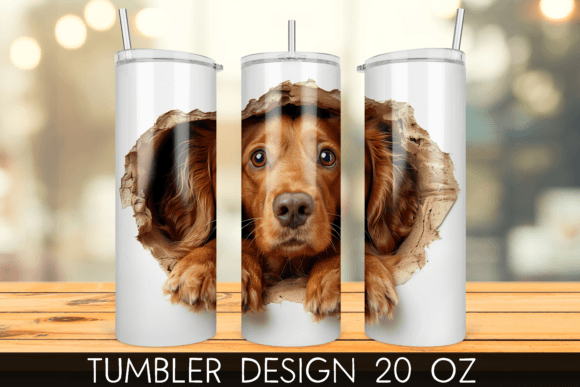
There is something undeniably whimsical about the 3D Cocker Spaniel Hole in a Wall Tumbler design. It captures that playful moment where a beloved pet seems to be peeking through a brick wall, creating an illusion of depth and personality that flat graphics often miss. For crafters, small business owners, and hobbyists looking to create unique gifts or inventory, this specific aesthetic offers a perfect blend of humor and heart. However, transitioning from a digital file to a flawless physical product requires more than just hitting "print." Many enthusiasts rush into the sublimation process without fully understanding the nuances of full-wrap designs, leading to wasted materials and frustration.
This guide is designed to help you navigate the specifics of using a Cocker Spaniel tumbler wrap 20 oz sublimation design download PNG File effectively. Whether you are a beginner setting up your first heat press or a seasoned entrepreneur scaling your production, avoiding common pitfalls is essential for maintaining quality and profitability.
Understanding the Design and Its Appeal
The concept behind the "hole in the wall" style is visual trickery. By utilizing shading and perspective, the design makes it appear as though the Cocker Spaniel is breaking through the surface of the tumbler. This creates a tactile feel visually, even though the cup remains smooth. Consumers are drawn to these designs because they stand out on social media feeds and make for excellent conversation starters. When you offer a product with this level of detail, you aren't just selling a drinkware item; you are selling a piece of art that reflects the owner's love for their breed.
However, the complexity of the image means that printing errors are far more noticeable than they would be on a simple pattern. A misaligned seam or a color shift can break the illusion entirely, turning a charming dog into a distorted mess. This is why paying attention to the technical specifications of your file is not optional—it is the foundation of your success.
Critical Mistakes in File Preparation and Sizing
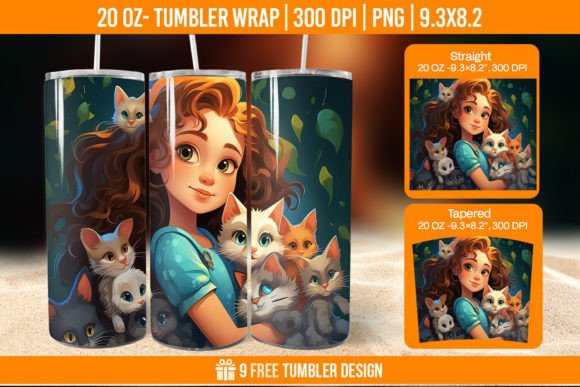
One of the most frequent errors creators make involves ignoring the specific dimensions required for a 20-ounce skinny tumbler. The listing for this design explicitly states that you will need to resize the design to 9.3″ x 8.2″. Skipping this step or guessing the measurements based on a different cup brand can lead to significant issues.
If the image is too small, you will end up with white gaps at the seam or edges, ruining the "full wrap" effect. Conversely, if the image is stretched beyond its intended aspect ratio to fit a slightly different cup, the Cocker Spaniel may look elongated or squashed, destroying the 3D realism. Always measure your specific blank tumbler before printing, as manufacturers vary slightly in their circumference and height. Use the provided high-resolution PNG as your base, but adjust your canvas size in your editing software to match your physical reality.
Another overlooked detail is the resolution. This listing includes a High-Resolution PNG with 300 DPI. Some users mistakenly downsample images to save file space or speed up processing, not realizing that sublimation requires every dot of ink to be crisp. Dropping below 300 DPI can result in pixelation, especially around the detailed fur of the spaniel and the texture of the bricks. Always verify your document settings before sending the job to your printer.
Navigating the Sublimation Process for Full Wraps
Once your file is sized correctly, the application process presents its own set of challenges. A full wrap design leaves no room for error regarding alignment. Unlike a front-and-back design where the seam is hidden on the side, a continuous wrap means the pattern must meet perfectly. If the "hole" in the wall doesn't align seamlessly, the visual continuity breaks.
To avoid this, many professionals recommend printing a test strip on regular paper first. Wrap it around your tumbler to check the overlap. This low-cost step saves expensive sublimation paper and coating blanks. Furthermore, ensure you are using heat-resistant tape strategically. Place your tape on the inside of the seam if possible, or use minimal tape on the outside to prevent ghosting marks on the intricate background details.
Temperature and time are also variables that demand respect. While standard settings might work for simple logos, complex gradients and shadows found in 3D designs can suffer from banding if the heat press cycles are inconsistent. Ensure your heat press or convection oven has even heat distribution. Rotating the tumbler halfway through the pressing time (if using an oven) can help achieve uniform color vibrancy.
Evaluating Quality Before You Buy or Download
Before committing to a Cocker Spaniel tumbler wrap download, it is wise to evaluate the source and the file structure. Not all PNG files are created equal. A true sublimation-ready file should have a transparent background only where necessary, but for a full wrap, the background usually needs to be solid to cover the entire surface area of the cup. Check the preview images closely. Does the wrap show how the design handles the curve? Is the resolution clearly stated?
Be wary of listings that do not specify the DPI or the intended cup size. A generic "tumbler design" might be sized for a 12oz mug rather than a 20oz skinny, leading to the sizing headaches mentioned earlier. Additionally, remember that this is a digital product; no physical product will be shipped to you. Ensure you have the necessary hardware—a sublimation printer, heat press, and compatible blanks—before purchasing the file to avoid buyer's remorse.
Better Approaches for Professional Results
To elevate your final product, consider the finish of the tumbler blank itself. The 3D effect relies heavily on contrast and shadow. Using a bright white, high-quality coated tumbler will make the colors pop and the shadows look deeper. Cheaper blanks with a grayish tint or uneven coating can mute the vibrancy of the Cocker Spaniel's coat and the brick texture.
Also, think about your target audience. While the design is adorable, marketing it effectively requires showing it in context. Take photos of your finished tumblers in natural light, perhaps next to a real dog or in a cozy home setting. This helps potential customers visualize the scale and the quality of the wrap. If you are selling these, provide clear care instructions to your customers. Sublimation is durable, but advising against abrasive scrubbers or dishwashers with harsh detergents ensures the design lasts for years, protecting your reputation as a creator.
By respecting the technical requirements of the 3D Cocker Spaniel Hole in a Wall Tumbler design and taking a methodical approach to resizing, printing, and pressing, you can transform a simple PNG file into a standout product. Attention to detail separates the hobbyist from the professional, ensuring that every cup you produce brings joy rather than disappointment.