Elevate Halloween Design with a 3D Papercraft Hand
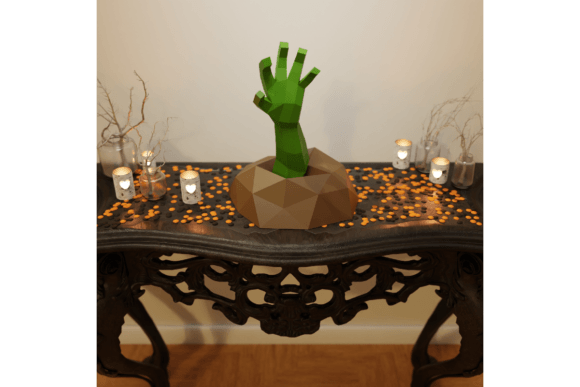
In the realm of experiential graphic design and immersive visual storytelling, few elements command attention quite like a tangible, three-dimensional intrusion into a two-dimensional space. The 3D Papercraft Spooky Hand from Ground represents a perfect fusion of traditional craft and modern aesthetic sensibilities, offering designers a unique asset to break the fourth wall in their creative projects. Whether utilized for a physical installation or photographed to create hyper-realistic digital composites, this emerging hand serves as a powerful tool for capturing audience imagination during the Halloween season.
From a professional design perspective, the value of such an asset lies in its ability to disrupt visual hierarchy and create immediate focal points. In an era where digital fatigue is real, incorporating tactile, paper-based textures into your visual design workflow can significantly enhance brand identity. The intricate details of this papercraft model, with its jagged fingers and textured skin, provide a rich source of design inspiration for those looking to move beyond flat vector graphics. By leveraging the depth and shadow inherent in a 3D object, designers can achieve a level of realism that pure illustration often struggles to match without extensive rendering time.
Strategic Applications in Modern Branding
The versatility of this papercraft hand extends far beyond simple decoration; it is a dynamic component for comprehensive branding campaigns. When integrated thoughtfully, it can transform standard marketing materials into memorable experiences. Consider the following applications where this asset can elevate your creative projects:
- Social Media Graphics: Create stop-motion animations or static posts where the hand appears to smash through the floor of your feed, driving higher engagement rates through novelty and shock value.
- Packaging Design: Use high-resolution renders of the hand to adorn limited-edition Halloween product boxes, adding a layer of thematic consistency that resonates with consumers.
- Editorial Layouts: Incorporate the hand breaking through text columns in magazines or brochures to guide the reader's eye and emphasize key headlines.
- Web and UI Design: While the physical object is analog, photographs of it can be used as hero images or interactive elements on landing pages to create a spooky, immersive user experience.
- Advertising Campaigns: Deploy the physical model in window displays or pop-up shops, bridging the gap between digital advertising and physical retail presence.
Mastering the Workflow: From File to Finish
For designers accustomed to digital workflows, transitioning to a paper-based prototype might seem daunting, but the process is streamlined for efficiency. This specific project utilizes SVG cutting files and PDF instructions, ensuring compatibility with modern cutting machines and manual crafting alike. The design relies on precision geometry to assemble a structure that stands firmly on its own. To achieve the professional presentation required for high-end client work, material selection is critical.
The recommended medium is Encore Cardstock 80 lb cover (216 gsm), which provides the necessary rigidity to hold the complex folds while maintaining a matte finish that photographs beautifully under studio lighting. The color palette—comprising eight sheets of Brown and five sheets of Green—offers a natural, decayed aesthetic that aligns perfectly with organic horror themes. This thoughtful color selection eliminates the need for post-production coloring, allowing the designer to focus on composition and lighting.
When executing this project, the workflow involves downloading and unzipping the files, printing the templates, cutting the parts, folding along the designated lines, and gluing them together following the visual guide. The finished model boasts impressive dimensions, measuring approximately 34cm in width and 40cm in height when printed on standard A4 or US letter sheets. This scale makes it substantial enough for close-up photography, capturing every crease and shadow to enhance the visual impact of your final assets.
Enhancing Visual Communication Through Texture
Incorporating physical textures into your digital marketing strategy adds a layer of authenticity that resonates with audiences. The interplay of light and shadow on the folded paper surfaces creates a depth of field that flat designs cannot replicate. This is particularly effective for logo design mockups or brand mascots that need to feel grounded in reality. By mounting the hand on a wall or placing it on the ground against a contrasting backdrop, you create a narrative scene that tells a story instantly.
Furthermore, the modularity of this design allows for experimentation. Designers can mount the hand on white paper to simulate it smashing through a clean surface, or use designer paper to blend it into complex backgrounds. This flexibility supports various design trends, from minimalism to maximalist horror. It encourages creators to think outside the screen and consider how physical objects can inform digital aesthetics, ultimately leading to more robust and versatile brand systems.
Ultimately, the integration of high-quality, tangible assets like this papercraft hand into your design repertoire demonstrates a commitment to craftsmanship and detail. It signals to clients and audiences alike that your brand values unique, handcrafted quality over generic templates. By mastering the balance between analog creation and digital application, you enhance not only the aesthetics of your work but also the effectiveness of your communication. Thoughtful design choices, such as selecting the right texture and dimension, are what separate good design from great, memorable experiences.